You are using an outdated browser that is no longer suitable for modern web standards.
Please update (or change) your browser to view our site as it is intended to be seen. Thank you.

John (Mark) Shields
1955 - 2022
John (Mark) Shields: Master Falconer; raptor breeder, bander and trapper; Pennsylvania Falconry and Hawk Trust (PFHT) Founding Member, past president, editor of its publication “The Creance”; Wildlife Biologist; Laurel-rank (Medieval Falconry) in the Society for Creative Anachronism; Lt. Col in the Pennsylvania Air National Guard; friend and mentor to fellow falconers; Family Man.
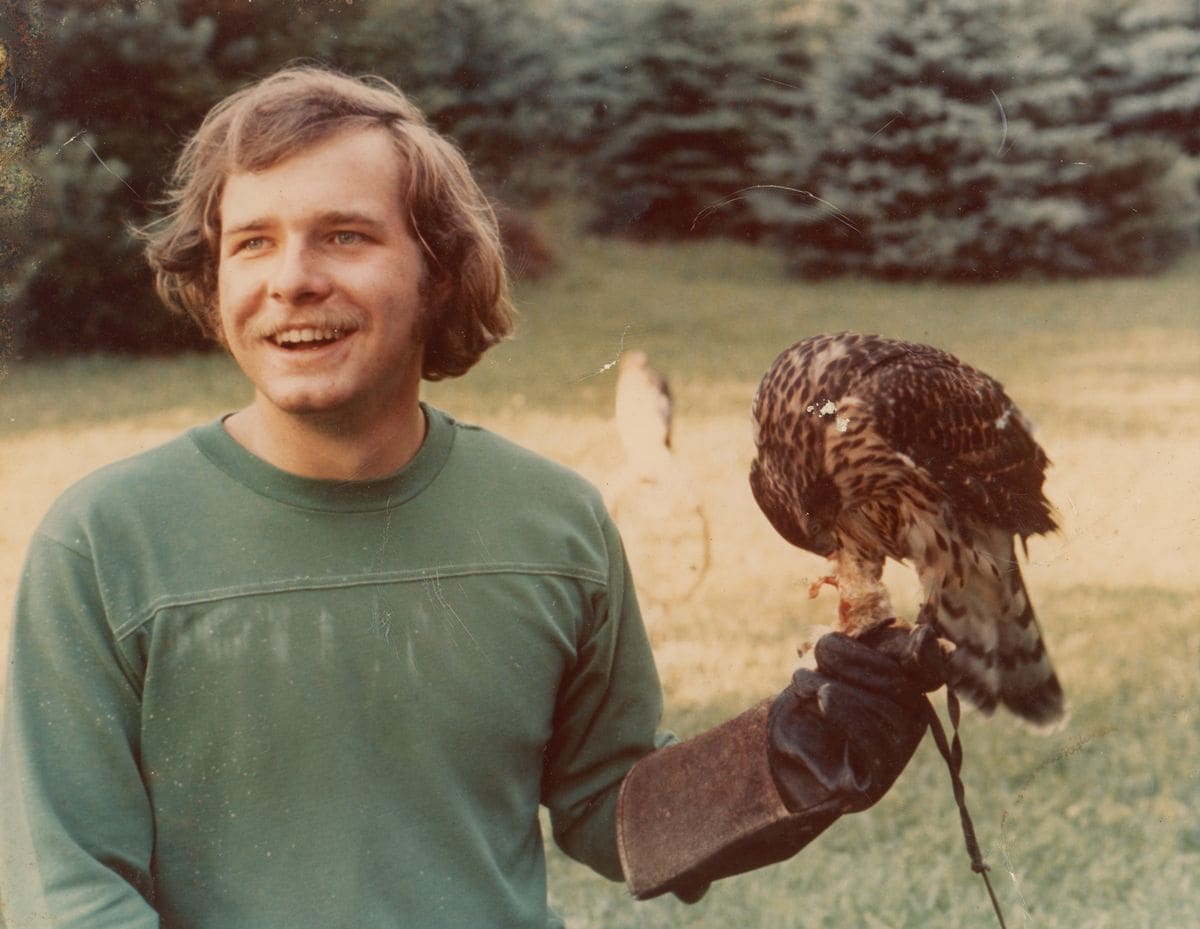
Young Mark Shields in Early Experience Feeding a Young Goshawk on the Glove
He seemed an ordinary boy: Born 1955 to Ann and John Shields, New Castle PA, 2 younger siblings, dozens of aunts, uncles and cousins, Boy Scout, Seneca High School Band Member and Football player, rode his bike to the library and once ate a packet of pop rocks in church on a dare.
Mark’s extraordinary life as a falconer began at age 15. He met Earl Shriver, Master Falconer and Raptor Educator, during one of Earl’s Hawk programs. Heretofore Mark had only read about falconry, voraciously perhaps, but with no idea how to go about it. He tracked Earl down. Earl recognized Mark’s passion and persistence, decided to sponsor teenage Mark as an Apprentice. A lifelong mentorship, then friendship, began. Earl invited Mark, an extraordinary climber, to band hawk chicks in trees and raven chicks on cliffs. He taught Mark the art and science of falconry. At age 16, Mark trapped his first Red-tailed Hawk. A lifetime of falconry fervor began.
Mark attended Slippery Rock University of Pennsylvania, later transferring to Penn State University in State College, PA. Struggling to pay for college, he first majored in Wildlife Biology then switched to geography to broaden his employment prospects. Upon graduation in the early 1980’s he worked for the University of Maryland, Frostburg, collecting data on the nesting preferences of the red shouldered hawk. He then worked as a hack site attendant for the Peregrine Fund(P-Fund). At that time Falco peregrinus was endangered. The P-Fund organized and implemented a campaign where captive bred chicks were produced from parents obtained from falconers, then hacked out (released) on urban structures. This mimicked the peregrine’s cliff-nesting preference and reduced predation. Mark’s site was a high-rise office building in downtown Philadelphia. Instead of climbing trees or cliffs, Mark took an elevator to get to chicks. Wearing coveralls, he tromped among the astonished and bemused business-suited employees, then opened a window to a ledge where the chicks were sheltered. Throwing a sheet with eye holes over his head and using a peregrine puppet, he fed, weighed, and checked chicks for health and development, returning every few hours from dawn to dusk. Some of these chicks survived, found mates, raised chicks on their own on urban structures. The peregrine falcon was taken off PA’s endangered species list in 1999 and the federal list soon thereafter. Mark had a hand in that.
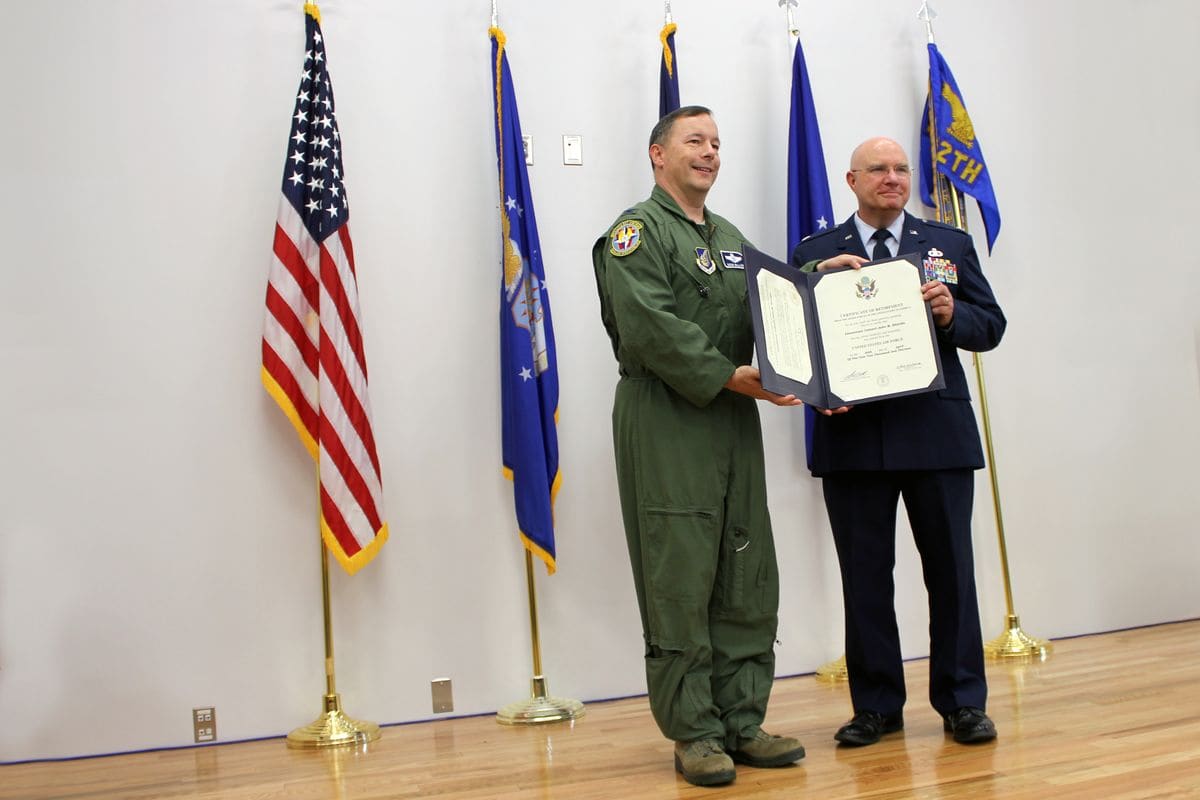
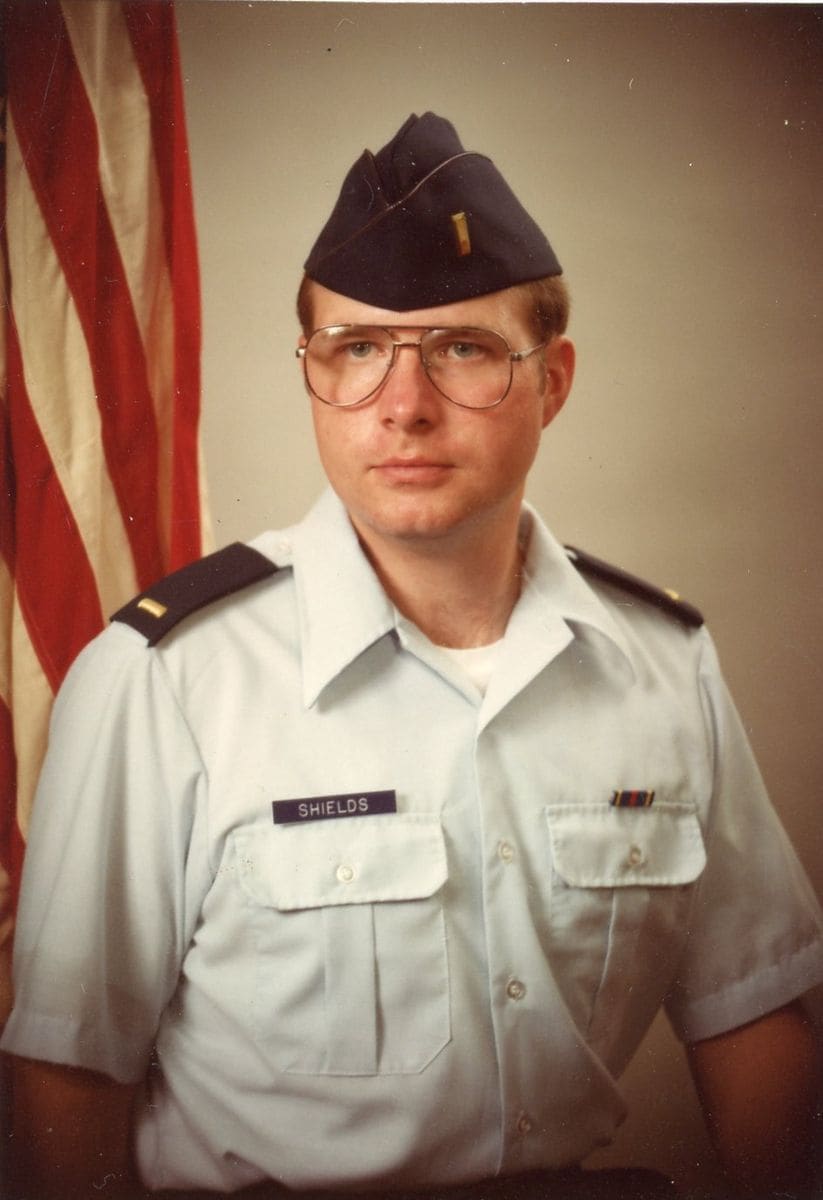
Always intrigued by flight, Mark enlisted in the PA Air National Guard (PANG)in 1987. He became an officer, rising to the rank of Lt. Coronel. After graduating from Air War College, he served as Air Battle Manager for the 112th Air Operations Squadron in State College PA. He controlled F16’s in training exercises, AWACS in air refueling, and often served active duty in Alaska and abroad to monitor for foreign air attack. He later became Chief of Strategy. A veteran, he served in the Bosnia Conflict, various NATO exercises, as well as the War on Terrorism. His many medals, decorations and commendations include the Meritorious Service Medal, Air Force Commendation Medal, Organizational Excellence Award, Combat Readiness Medal, Global War on Terrorism Service Medal. Throughout his 28-year career, Lt. Col John Mark Shields remained an active falconer, plus more.

In the spring of 1988 Mark met Jody Wallace, the love of his life, over a bag of dead day-old chicks, intended for hawk food. Mark learned that Jody, a poultry researcher at the time, was skilled at avian semen collection and artificial insemination. That alone got his attention. They soon discovered a mutual passion for birds , dogs, nature. Their first date included checking out a possible goshawk nest. Mark captured Jody’s attention as he displayed his climbing skills in a large hemlock. Reciprocally smitten, Jody gifted Mark a fresh roadkill rabbit on their next date. The pair were married within 5 months. They bought a home in the country, conveniently located across the road from a pheasant farm. Between 1990 and ‘93 they had 3 babies: Arran, Lizzie and Connor. Plus a puppy.
After the birth of his own offspring, Mark embarked on a home raptor breeding program. He focused on longwings: merlin (his favorite) saker, and peregrine. He acquired some of his breeding stock from the wild (legally of course). He retrieved merlins from Pennsylvania tree nests, plucked peregrines from cliff eyries in the American Southwest. These chicks were raised as imprints with the help of his children who delighted in playing with them. He flew the young birds and trained the males for semen collection. In partnership with Jody, he collected semen and artificially inseminated females making saker/peregrine and peregrine/merlin hybrids. The semen collecting hat and strange courtship behavior were always a source of family hilarity. Once, their young son Connor, being forced to march in a school Easter Parade, wore the semen collecting hat with a toy hawk perched atop, the other kids had paper plates with fake flowers. The boy and his beaming parents could not contain their giggles as Connor marched by them, wearing the semen hat proudly and doing a thumbs up.
Through his experience and expertise Mark became influential far from home. John Parks, then Director of the Cornell University Raptor Program, asked him to join its Advisory Board. For 20 years Mark contributed to the successful captive breeding and release efforts for all 3 North American accipiters. Through his military and personal travels he met falconers from all over the world, exchanging information and ideas.
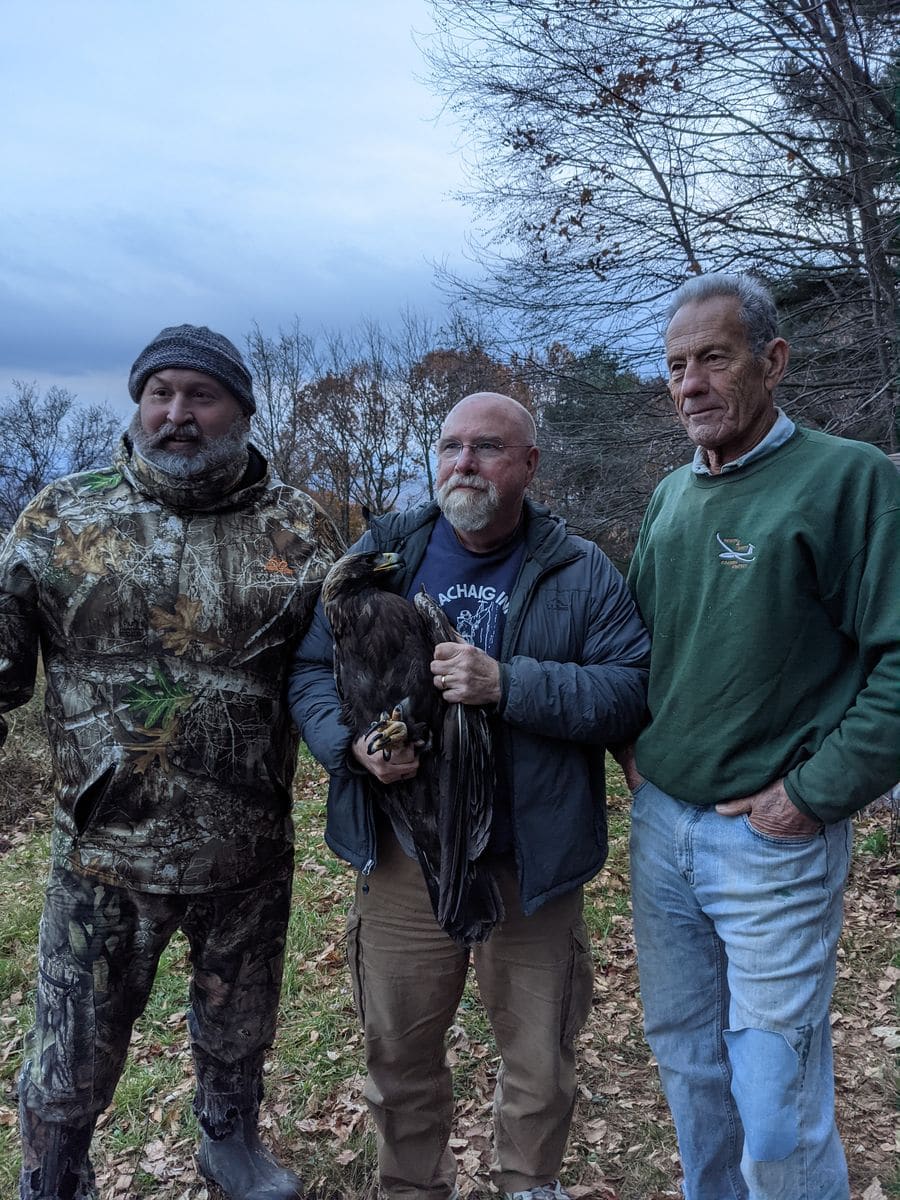
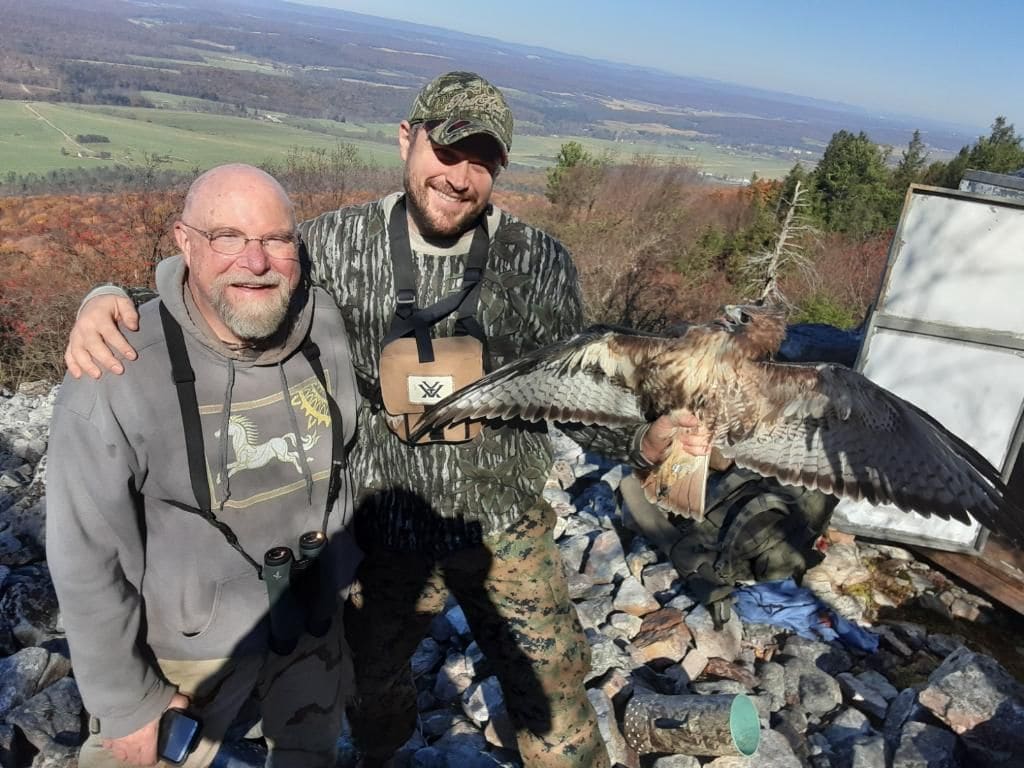
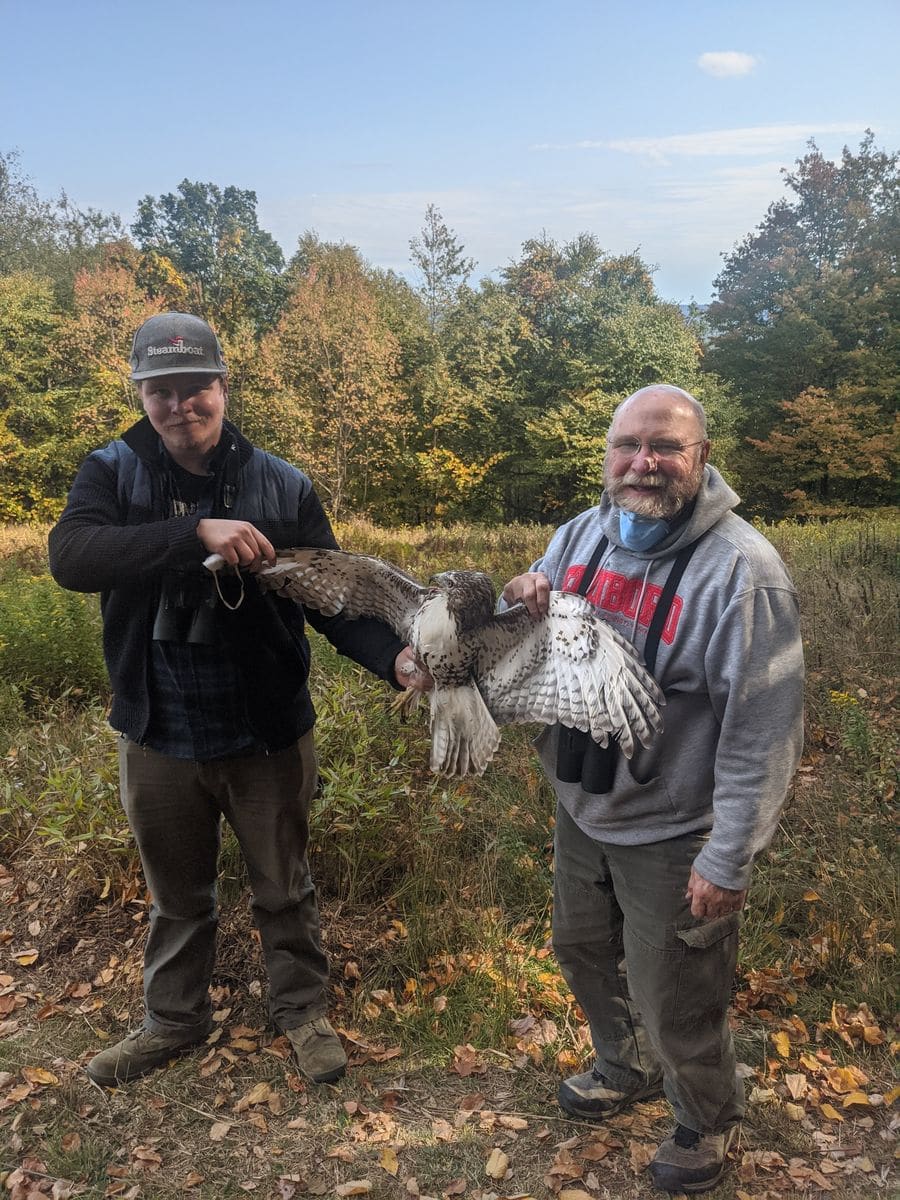
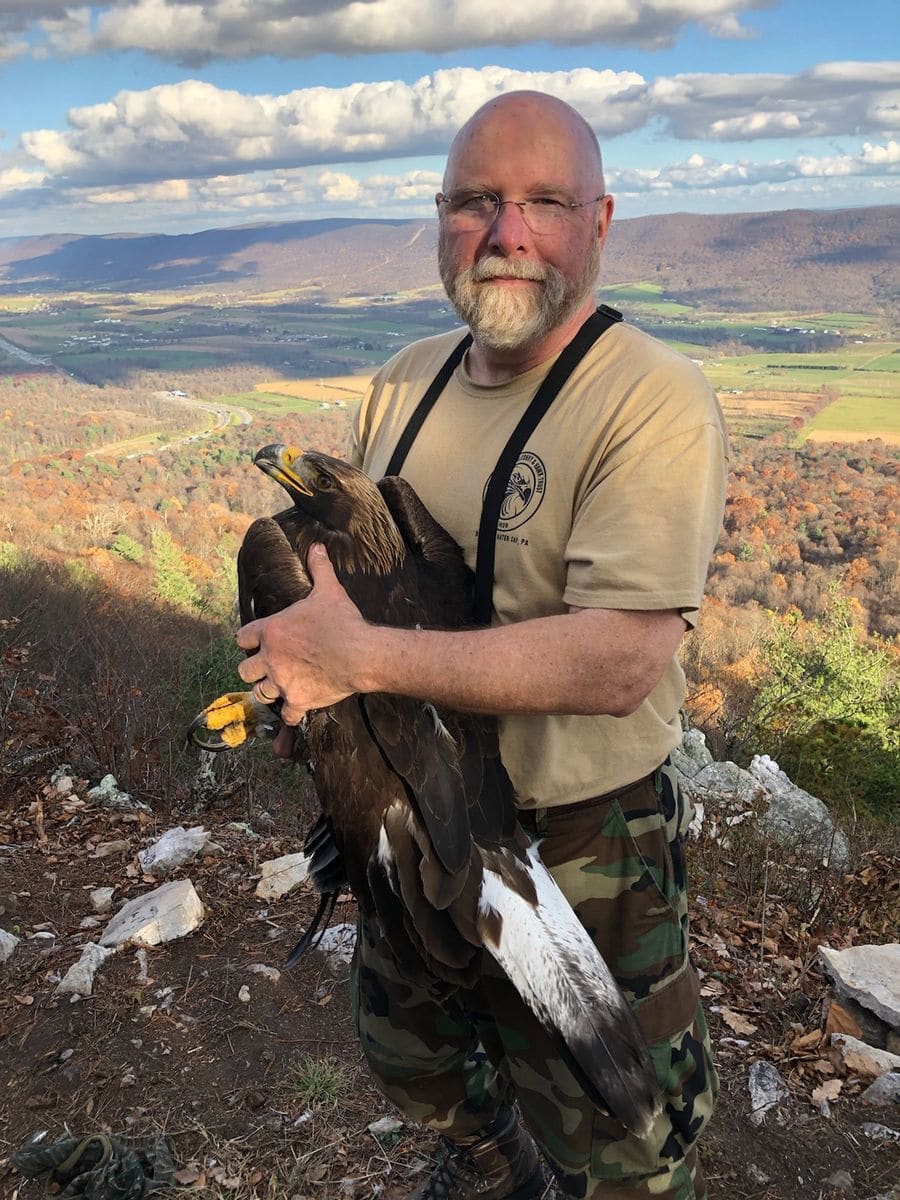
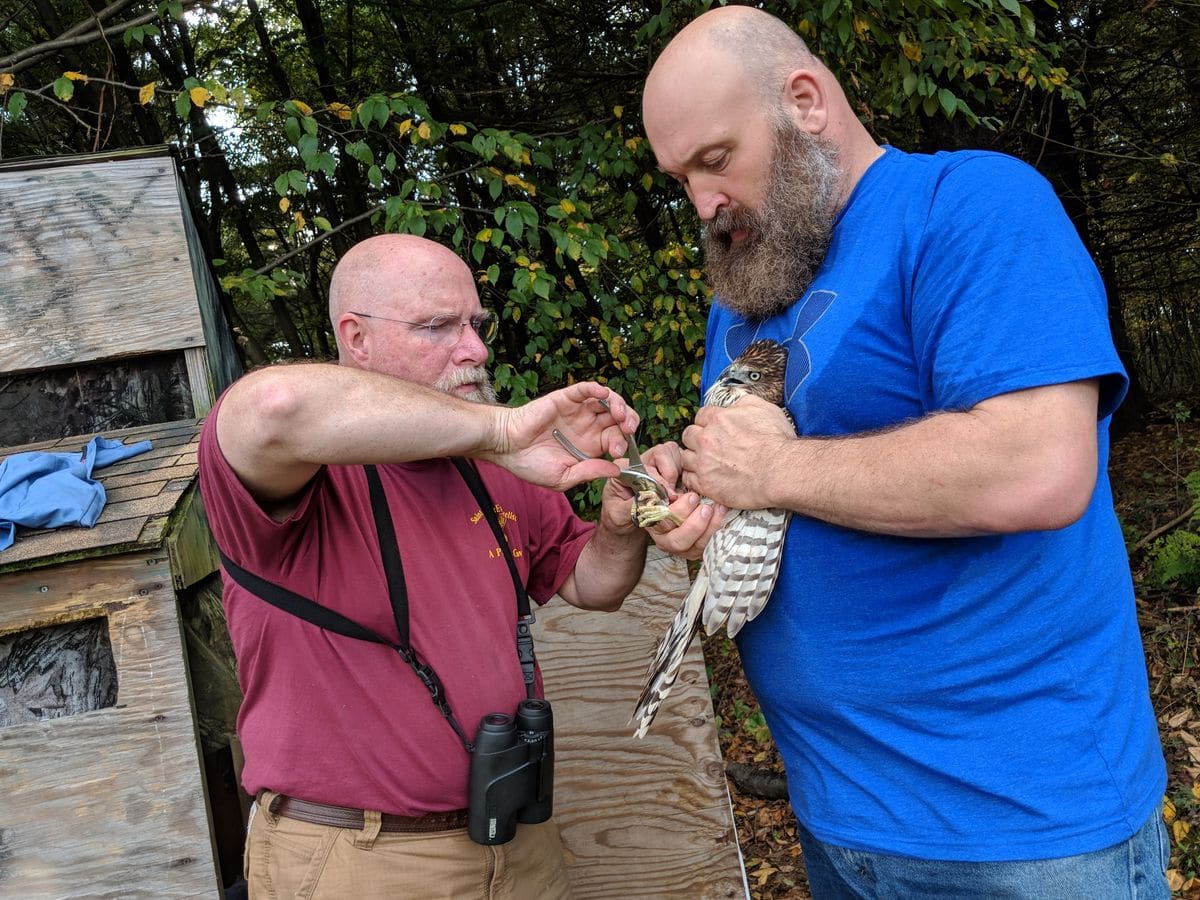
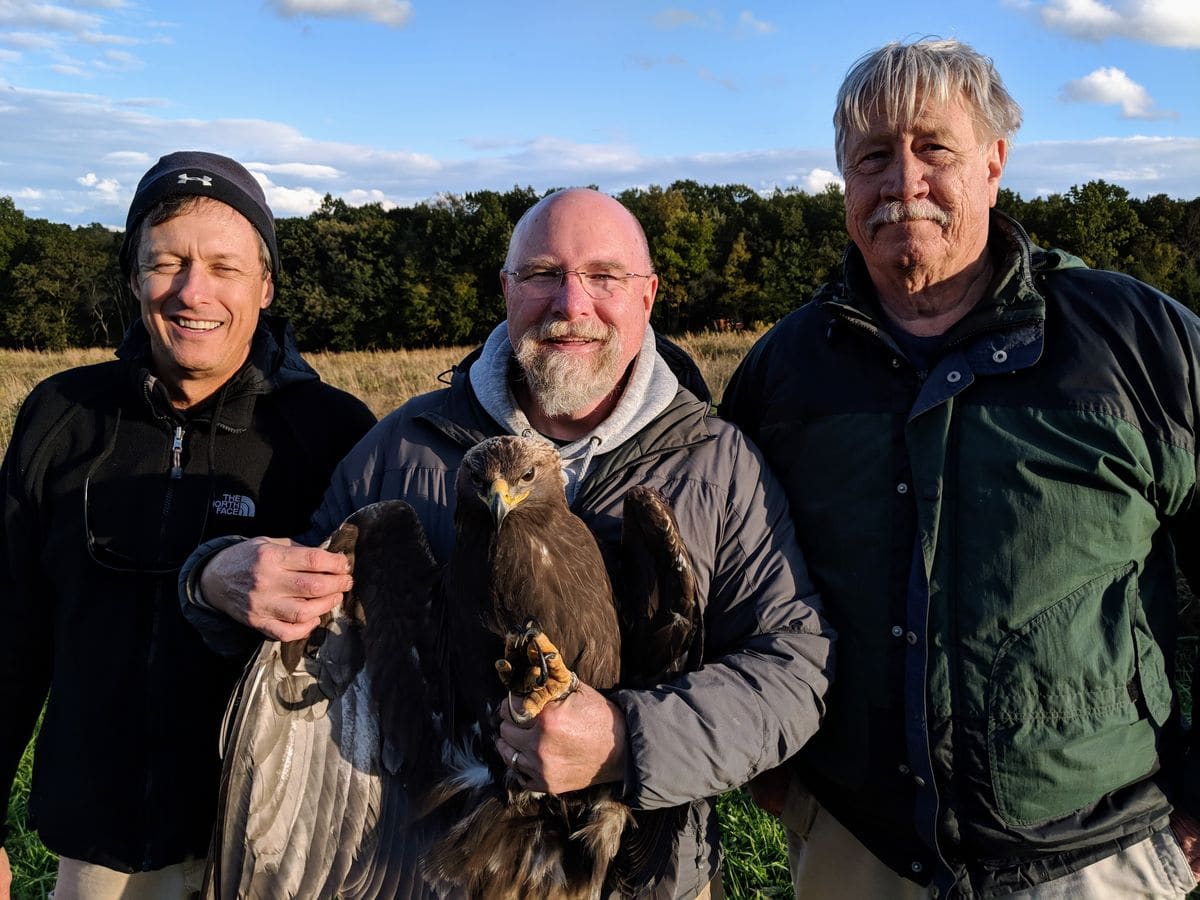
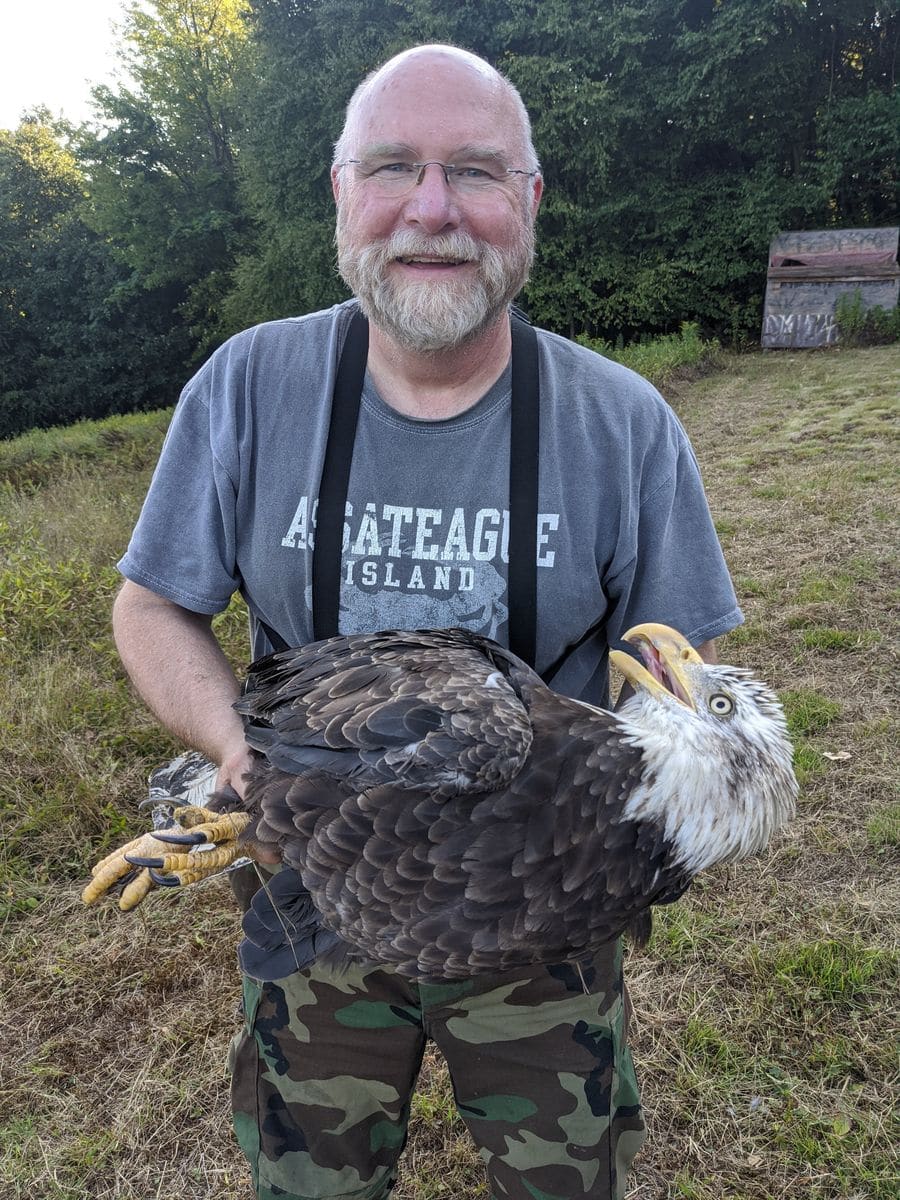
Mark was an avid hawk trapper for the purposes of banding or use in falconry. Depending on wind and weather he would select among his several trapping sites in the Allegheny mountains. His fall migration captures included red-tails, sharpies, Coopers, kestrels, merlins, bald and golden eagles, once a goshawk, twice a harrier. He felt privileged to be included, a few times, with a research team trapping peregrines on the beaches of Assateague Island. Sometimes he would trap alone, enjoying solitude. Sometimes he would trap with friends, sharing his knowledge and skill . Anyone who has been hawk trapping knows there can be a lot of down time looking at empty sky. Mark and his trapping companions would often wax philosophical at these times. Long, strong friendships were forged.
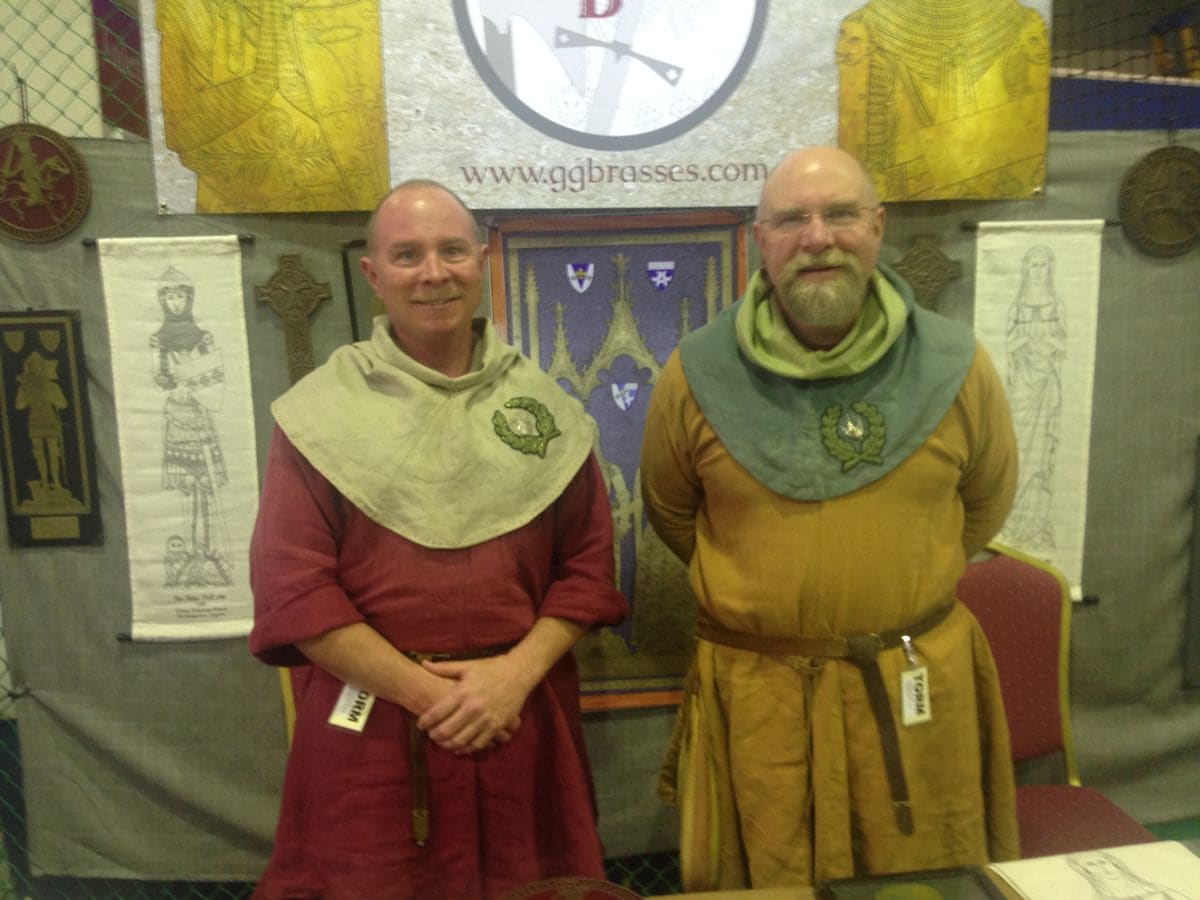
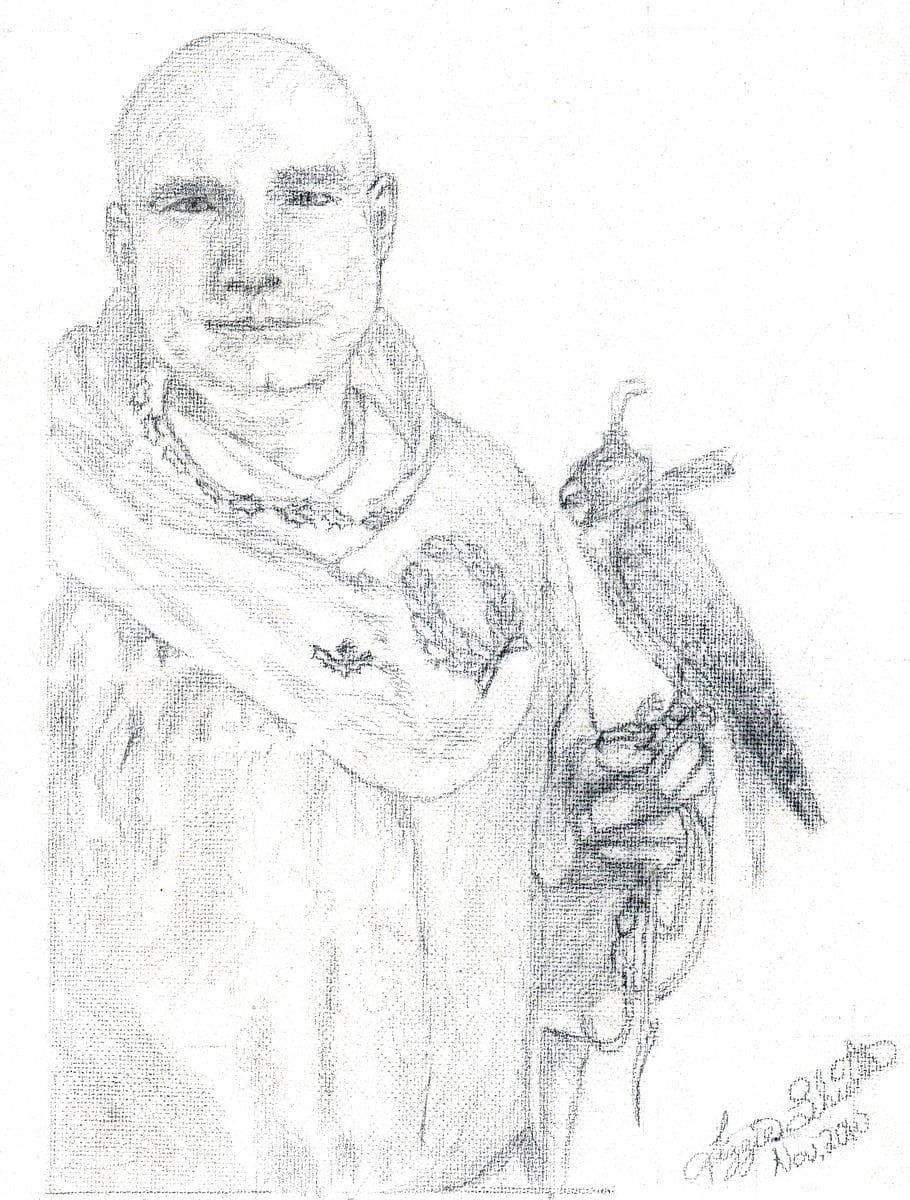
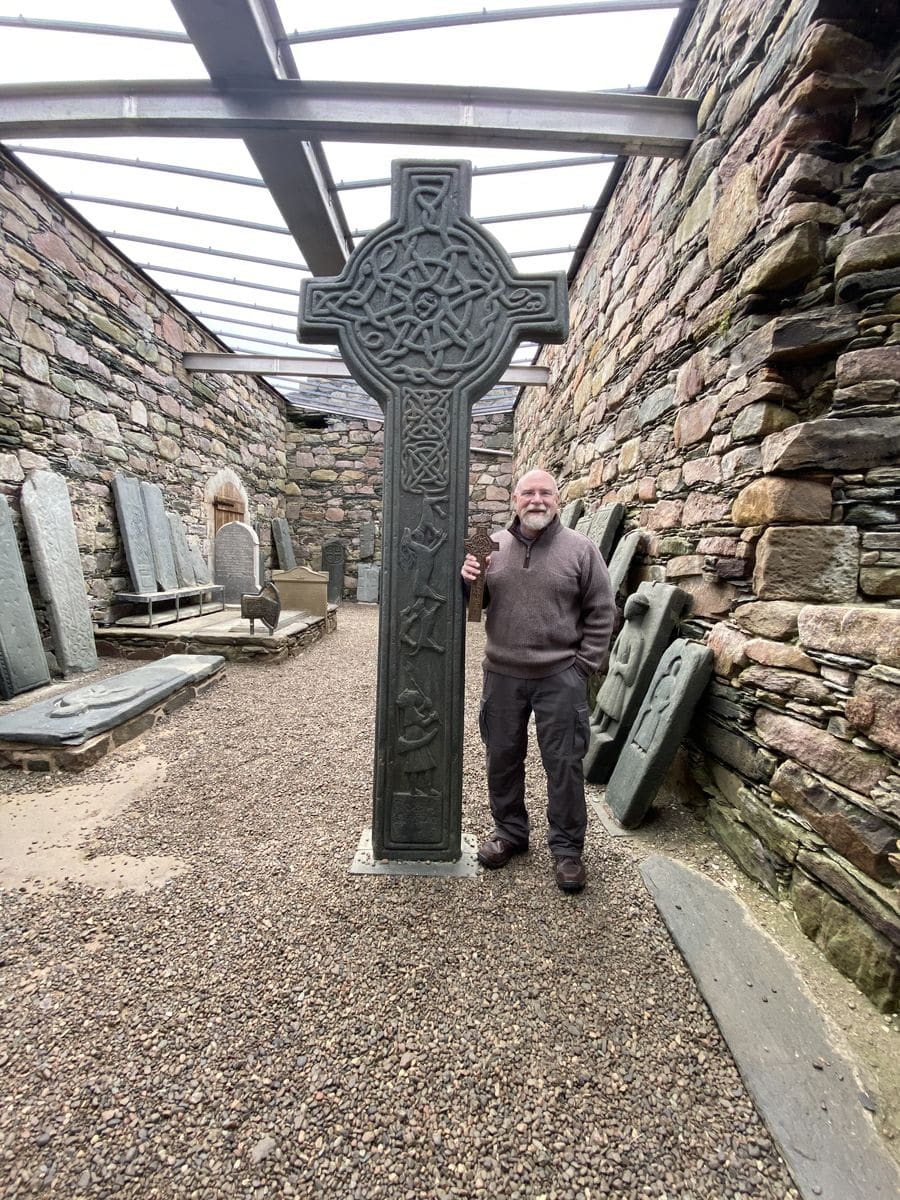
In the mid 1990’s Mark rekindled his interest with the medievalist group, the Society for Creative Anachronism (SCA). Twenty years earlier Mark and a few other garbed, armed, armored, and horseback riding medievalists rode to Cooper’s Lake Campground in Slippery Rock PA . They realized this was the perfect place to hold SCA’s PENSIC War, a medieval camping event featuring battles between kingdoms. Today an average of 10,000 campers attend this 2 week event where one is expected to dress, act, and live medievally. Hard core SCA members develop a persona. Mark’s was that of Duncan Blackwater, Man at Arms and His Lordship’s Falconer. Mark made his own armor, including helm, chainmail, sword and shield; fought many a battle for his kingdom. He was considered a fierce fighter but his shining contribution to the Society was falconry. He held falconry classes, sometimes with a live bird. He wrote and directed a play. Using hands on audience participation, he combined medieval falconry history, medieval society, and adaptations of different hunting raptors flown again different prey in different habitats. He made historically correct falconry hoods and hunting bags, entering and often winning medieval leather work competitions. In 2004 he wrote “The Complete Anachronist #122, Falconry”. He attended coronations and knightings, adding to the events’ auspiciousness with a live falcon. For his efforts he was elevated to the rank of Laurel within the SCA-with all due ceremony including royal decree, overnight vigil and feasting. When a severe asthma attack on the battlefield ended his fighting career, Mark changed from medieval warrior to artisan. He started Gallowglass Brasses, a business in which he designed, manufactured and sold reproductions of medieval monumental brasses and crosses.
“Best job I ever had.” Mark said of his retirement in 2013. He was free to pursue his passions fulltime: He rebuilt his mews to accommodate natural pairs. He cooperated with a goshawk breeder, painstakingly incubating eggs-weighing, monitoring weight loss, heat, humidity-then hatching, then feeding the chicks. He became a sub bander of raptors under Master Bander Jere Shade. Mark trapped and banded every time he could during fall migration. He used this time to strengthen bonds with his spiritual self when alone or with friends and family who joined him. He collaborated with PA Center for Wildlife Care, housing and conditioning injured raptors until they could be released. He was the unofficial liaison between PA Department of Natural Resources and the falconry community regarding the wild take of goshawks. He served as president of PFHT. Mark was sought after as mentor: He was informed, actively involved and enthusiastic about the sport, able and willing to offer information and advice on every aspect of raptor biology, natural history, health, trapping banding, hunting and breeding. He did so authoritatively, taking advantage of teachable moments to provide both instruction and constructive criticism. He was the first option many falconers turned to when questions or problems arose with their birds. Perhaps this was the most important and enduring contribution to falconry. A humble man, he never “tooted his own horn”.
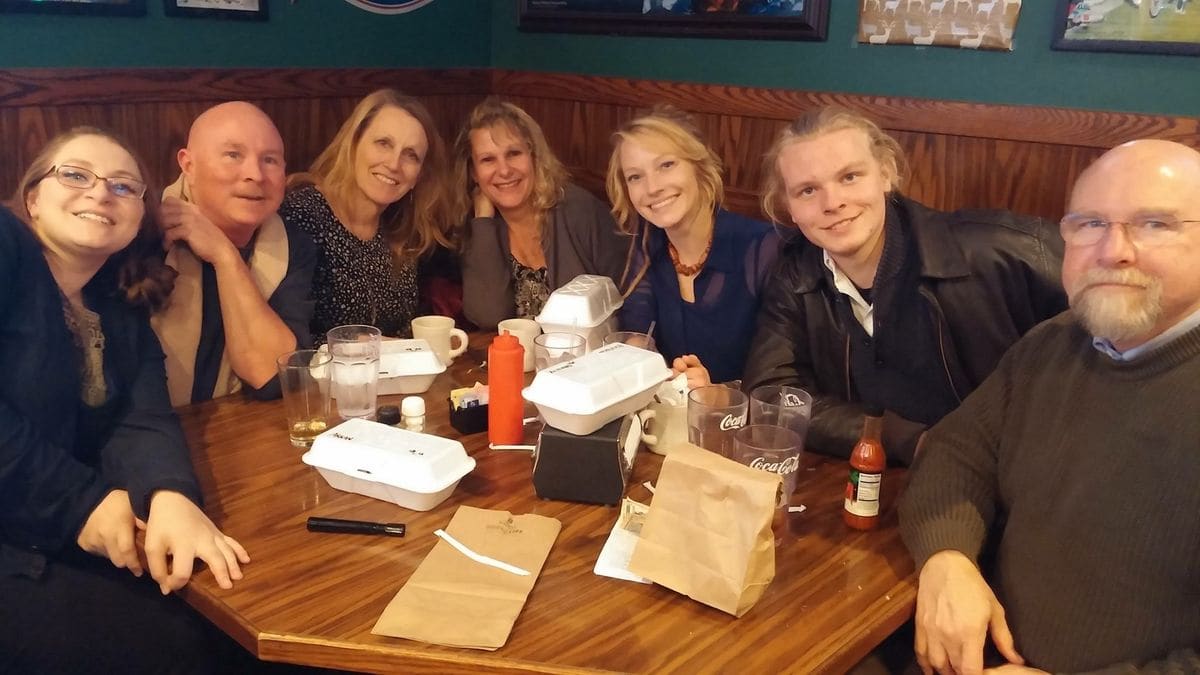
Throughout his accomplishments he remained an extraordinary Family Man. Caring, considerate husband, devoted to Jody, his wife of 33 years. He was an exceptional father, taking time to counsel his now adult children, Arran, Lizzie and Connor, who never stopped needing him. He cared for his severely ill sister, Becky, travelled abroad with his brother, Brad. He loved being home, baby birds, puppies, music and Christmas, got into loud arguments with the family rooster.
“These have been the happiest years of my life.” he said to Jody two weeks before he died in May, 2022. A sudden heart attack took him at age 66, a full but unfinished life.